

You can’t really scroll through social media anymore without running into at least a few references to cold plunges. What used to be relegated to mom and pop banyas and jjimjilbangs. But just like nootropics, sleep tracking and in-home saunas, cold plunging has become an essential trend in the ever-expanding and popular world of biohacking. How could they not be on the additions list of any trendy LA resident? Although Angelenos are no stranger to being early adopters of health fads, cold plunges or ice baths do have a significant history to them, dating back thousands of years.
The cold pool probably won’t go the way of the cabbage soup diet and Shake Weight. However, it’s still worth fully investigating whether you’ll find it personally worthwhile to add to your home. In recent years, the wellness landscape has witnessed a surge of interest in cold plunge pools as a means of promoting physical and mental well-being. Originating from ancient practices found in cultures around the world, cold plunge therapy has been revitalized and reimagined for the modern era.
Where did the Cold Plunge Pool Come From?
The history of cold water immersion for health stretches back centuries. Ancient civilizations like the Egyptians, Greeks, and Romans all utilized cold water for its invigorating and potentially therapeutic effects. Hippocrates, the famous Greek physician, championed the use of hydrotherapy, which incorporated water for medicinal purposes. The Romans even had designated cold pools, called frigidarium, in their elaborate bath complexes. These frigidarium plunges were believed to improve circulation and revitalize the body after sweating in the hot baths.
Fast forward to the 18th and 19th centuries, and we see a renewed interest in cold water therapy. Physicians began using cold baths for various ailments, from fevers to pain management. Ice also became more readily available, leading to the emergence of true ice baths. While the scientific understanding of the benefits was limited, cold water immersion remained a popular tool for overall health and well-being.
Across Asia, cold water immersion has a rich history intertwined with both health and spiritual practices. In China, Traditional Chinese Medicine incorporated cold water for thousands of years to balance the body’s energy and promote healing. Japan’s “misogi” rituals used cold water for purification, while samurai embraced cold plunges for mental and physical fortitude. Onsen, Japan’s hot springs, often feature cold plunges for a contrasting experience. Cold water immersion wasn’t just practical; it held spiritual significance too. Standing under a freezing waterfall for prayer or bathing in the sacred Ganges River are examples from Shinto and Hindu traditions as well.
As you can see, it’s not just the Hollywood elite who embraced the benefits of the cold plunge, it’s been a part of many culture’s wellness routines throughout the ages. That’s probably thanks to the many health benefits associated with the extreme temps.
What are the Health Benefits of Cold Plunges and Ice Baths?
Cold plunge pools are purported to offer a multitude of physical and mental health benefits that appeal to health-conscious individuals seeking holistic wellness solutions. Let’s delve into some of the key advantages:
Improved Circulation:
- Cold plunge therapy stimulates blood flow and circulation throughout the body, which can help improve overall cardiovascular health.
- The sudden exposure to cold water causes blood vessels to constrict, followed by rapid dilation upon exiting the pool, creating a “pump” effect that promotes efficient circulation.
Reduced Inflammation:
- The cold temperatures of plunge pools can help reduce inflammation and swelling in the body, providing relief from conditions such as muscle soreness, joint pain, and arthritis.
- Cold therapy has been shown to constrict blood vessels and decrease metabolic activity, which can help alleviate symptoms of inflammation.
- Immersion in cold water triggers the release of endorphins and other feel-good hormones, leading to a sense of euphoria and improved mood.
- Cold plunge therapy has also been associated with increased alertness, mental clarity, and a reduction in symptoms of stress, anxiety, and depression.
Cold plunge pools can complement existing wellness routines such as yoga, meditation, and fitness training, enhancing their effectiveness. Many wellness enthusiasts incorporate cold plunge sessions into their post-workout recovery routines to accelerate muscle recovery and reduce post-exercise inflammation.
Cold exposure may activate mechanisms that could even enhance our longevity. While the longevity connection remains unclear, cold plunges may still be helpful for overall well-being. Improved sleep, reduced stress, and faster muscle recovery are some of the top benefits that could indirectly contribute to a healthier lifestyle. While cold plunges and ice baths are not a guaranteed path to a longer life, they may offer health benefits that could contribute to a healthier lifestyle.
Remember, if you’re considering cold therapy, you should first consult with a doctor before starting, especially if you have any underlying health conditions.
Debunking Myths and Misconceptions of Cold Plunge Pools
Cold plunge pools have garnered attention as a trendy wellness practice, but along with their popularity comes a fair share of myths and misconceptions. Let’s address some of the common concerns and set the record straight:
Myth: Cold Plunge Pools Are Unsafe or Dangerous:
- Reality: While the idea of immersing oneself in icy water may seem daunting, cold plunge pools are generally safe when used properly.
- Precautions: It’s essential to follow guidelines provided by trained professionals and listen to your body’s cues. Individuals with certain medical conditions, such as heart issues or hypertension, should consult with a healthcare provider before trying cold plunge therapy. Never spend more than 15 minutes in a cold pool.
Myth: Cold Plunge Pools Are Uncomfortable or Painful:
- Reality: While the initial shock of cold water immersion may feel uncomfortable, many people find the experience invigorating and energizing. Cold plunge therapy triggers the release of endorphins and other feel-good hormones, which can help alleviate discomfort and promote relaxation.
- Precautions: Start with shorter immersion times and gradually increase duration as you become more accustomed to the cold. It’s essential to listen to your body and exit the pool if you experience excessive discomfort or distress.
Myth: There’s No Scientific Evidence Supporting Cold Plunge Therapy:
- Reality: Research on cold water immersion therapy has shown promising results in various areas of health and wellness, including improved circulation, reduced inflammation, and enhanced recovery. Numerous studies published in reputable scientific journals have demonstrated the physiological benefits of cold plunge therapy, providing evidence-based support for its efficacy.
- Precautions: While scientific evidence supports the benefits of cold plunge therapy, individual responses may vary. It’s essential to approach cold plunge pools with an open mind and realistic expectations.
Cold Plunge Pools: A Lifestyle Investment:
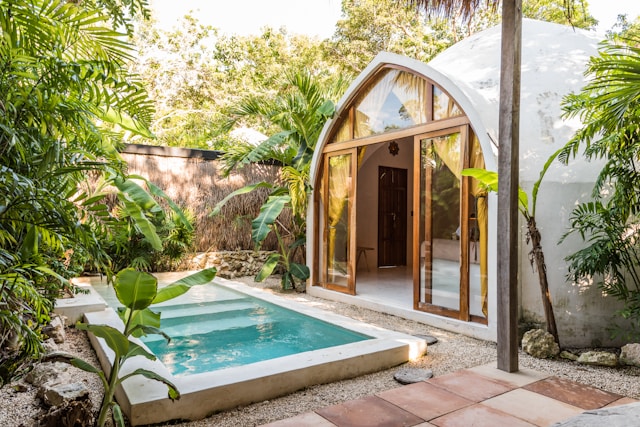
Incorporating cold plunge pools into a health-conscious lifestyle involves considering both the financial and wellness aspects of this investment. Let’s explore the financial considerations and long-term value of cold plunge therapy:
Cold plunge pools offer a unique blend of physical and mental health benefits, making them an attractive option for individuals committed to holistic wellness. However, the decision to invest in cold plunge therapy requires careful consideration of the associated costs and potential return on investment.
Financial Considerations:
- Regular cold plunge sessions at facilities typically range in price, depending on factors such as location, amenities, and session duration. In the LA area, prices may vary from $50 to $100 per session.
- Alternatively, installing a cold plunge pool at home involves upfront costs for equipment, installation, and maintenance. The initial investment can range from several thousand dollars for basic setups to tens of thousands for custom-built installations with advanced features.
- It’s important to weigh the ongoing expenses of facility-based sessions against the upfront investment and maintenance costs of a home cold plunge pool.
Long-Term Value and Return on Investment:
- While the upfront cost of installing a cold plunge pool at home may seem significant, it offers the advantage of convenience and accessibility. With a home setup, individuals can enjoy cold plunge therapy on their schedule without the need to travel to a facility.
- Additionally, owning a cold plunge pool provides the flexibility to customize the experience according to personal preferences, such as water temperature, duration, and additional features like hydrotherapy jets or aromatherapy options.
- From a long-term perspective, investing in cold plunge therapy can yield significant returns in terms of improved health and overall well-being. Regular cold plunge sessions may contribute to reduced healthcare costs associated with managing chronic conditions, increased productivity, and enhanced quality of life.
Ultimately, the decision to invest in a cold plunge pool is a personal one that depends on individual preferences, lifestyle factors, and budget considerations. For health-conscious individuals in the LA area, weighing the financial aspects alongside the potential health benefits can help determine whether taking the plunge is a worthwhile lifestyle investment.
What are the Pros and Cons of a Plunge Pool
Before you decide whether to take the plunge, review the pros and cons associated with a plunge pool.
Pros of a Plunge Pool:
- Improved Circulation: Cold plunge therapy can stimulate blood flow and circulation, which may help improve cardiovascular health and promote faster recovery after exercise.
- Reduced Inflammation: Immersion in cold water has been shown to reduce inflammation and swelling in the body, providing relief from conditions such as muscle soreness, joint pain, and arthritis.
- Enhanced Recovery: Cold plunge pools are commonly used by athletes and fitness enthusiasts to aid in post-workout recovery, accelerating muscle recovery and reducing post-exercise fatigue.
- Mental Well-Being: Cold plunge therapy triggers the release of endorphins and other feel-good hormones, leading to improved mood, mental clarity, and reduced symptoms of stress, anxiety, and depression.
- Convenience: Having a cold plunge pool at home offers the convenience of being able to enjoy cold plunge therapy on your schedule without the need to travel to a facility, saving time and effort.
- Customization: With a home cold plunge pool, you have the flexibility to customize the experience according to your preferences, adjusting water temperature, duration, and additional features to suit your needs.
Cons of a Plunge Pool:
- Upfront Cost: Installing a cold plunge pool at home involves significant upfront costs for equipment, installation, and maintenance, which may be prohibitive for some individuals.
- Space Requirements: Cold plunge pools require dedicated space in your home or yard, which may not be feasible for those with limited space or living in urban environments.
- Maintenance: Cold plunge pools require regular maintenance to ensure water quality, cleanliness, and proper functioning of equipment, which may require additional time, effort, and expense.
- Safety Concerns: Immersion in cold water carries inherent risks, including hypothermia, shock, and injury from slips or falls. Proper safety precautions and supervision are essential to minimize these risks. Remember to never plunge alone to ensure your safety.
- Limited Use: Cold plunge pools may not be suitable for everyone, especially those with certain medical conditions or sensitivities to cold temperatures. It’s essential to consult with a healthcare provider before trying cold plunge therapy.
- Ongoing Expenses: While facility-based cold plunge sessions offer the convenience of pay-per-use options, the costs can add up over time, especially for frequent users. It’s important to factor in the ongoing expenses of regular sessions when considering the long-term value of cold plunge therapy.
Overall, adding a cold plunge pool can provide numerous health benefits and enhance your wellness routine, but it’s essential to weigh the pros and cons carefully and consider your individual circumstances before making a decision. Whether you choose to invest in a home cold plunge pool or incorporate regular sessions at a facility, prioritizing safety, and consulting with healthcare professionals can help ensure a positive and rewarding experience.